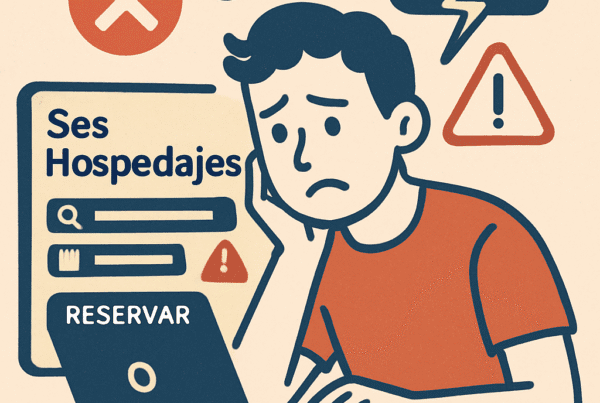
As a host, you have encountered the situation: a guest arrives, you ask for their DNI or passport to comply with Real Decreto 933/2021 and suddenly, objections arise. “Why do you want to scan my DNI?” or “They don’t ask me for it in other places”. Essentially, the guest refuses to provide their data.
Although it may seem like a minor conflict, a guest’s refusal to identify themselves is a serious legal problem for the owner. In this article, we explain how to proceed step by step.

Why is it mandatory?
It is not a whim of the host. Spanish regulations are clear:
- Organic Law 4/2015 on the Protection of Citizen Security: Requires all persons staying in lodging establishments to be registered.
- Royal Decree 933/2021: Establishes the documentation registration and information obligations that individuals or legal entities engaged in lodging activities must comply with.
The summary is simple: No data, no stay.
Action protocol: Step by step
If a guest refuses to provide their information, we recommend following this order of action:
1. Education and pedagogy
Sometimes the guest is only afraid for their privacy. Explain to them that:
- It is a legal obligation imposed by the Ministry of the Interior.
- The data is sent through secure platforms (such as SES.HOSPEDAJE).
- You, as the owner, are obligated to safeguard that information under the RGPD.
2. Warning about the Right of Admission
If education does not work, you must be firm. The law supports you to deny access to accommodation. Compliance with the citizen security law prevails over the reservation contract.
Important note: If you allow entry without registering, the legal responsibility (and the possible fine of up to €30,000) will be exclusively yours.
3. Contact with the booking platform
If the guest persists in their refusal and the reservation comes from platforms like Airbnb or Booking.com:
- Contact the platform’s technical support immediately.
- Reports that the guest refuses to comply with the current local legislation.
- Request the cancellation of the reservation without penalty for you, as the guest is violating a public order rule.
4. Notification to the authorities (If necessary)
If the situation becomes tense or the guest attempts to forcibly enter the property, do not hesitate to call the Policía Nacional o Guardia Civil. They will be able to officially request identification.

How to avoid this problem in the future
The key to avoiding conflicts at check-in is anticipation. Here are three golden tips:
- Previous information: Include in your ad description and welcome message that traveler registration is mandatory and that an identity document will be required from everyone over 14 years old.
- Check-in Online: Using digital check-in tools before arrival usually smooths the process. The guest fills in the details calmly from home and you already have them before handing over the keys.
- Clauses in the contract: If you sign a vacation rental contract, include a specific clause about the identification obligation according to RD 933/2021.
Conclusion
Your priority is the safety of your business. Do not risk your license or expose yourself to severe penalties due to a guest’s reluctance. The law is on your side: no registration, no keys.
Do you want to avoid conflicts with your guests and automate this process? At registroparteviajeros.com we help you manage entry reports quickly, legally and hassle-free. Would you like me to help you draft a standard clause to add to your automatic booking messages?